
A personal story. A public conversation.
Three minutes
at the microphone.
Every resident has the right to be heard. But what happens when public comment becomes a campaign of intimidation?
K. Patrice Williams, J.D.Member, Fairfield City Council
The clock is fair. Following someone home is not public comment.
FAIRFIELD, CALIFORNIAPublic service.
Personal cost.
Personal lives.Both deserve protection.
I ran for office to make a difference. I didn’t expect to have to change how I live.
Every resident gets three minutes at public comment, and that right should stay protected. This site is about what happens when those minutes turn into a campaign of intimidation, and what it does to the people who serve and to the people who might serve next.
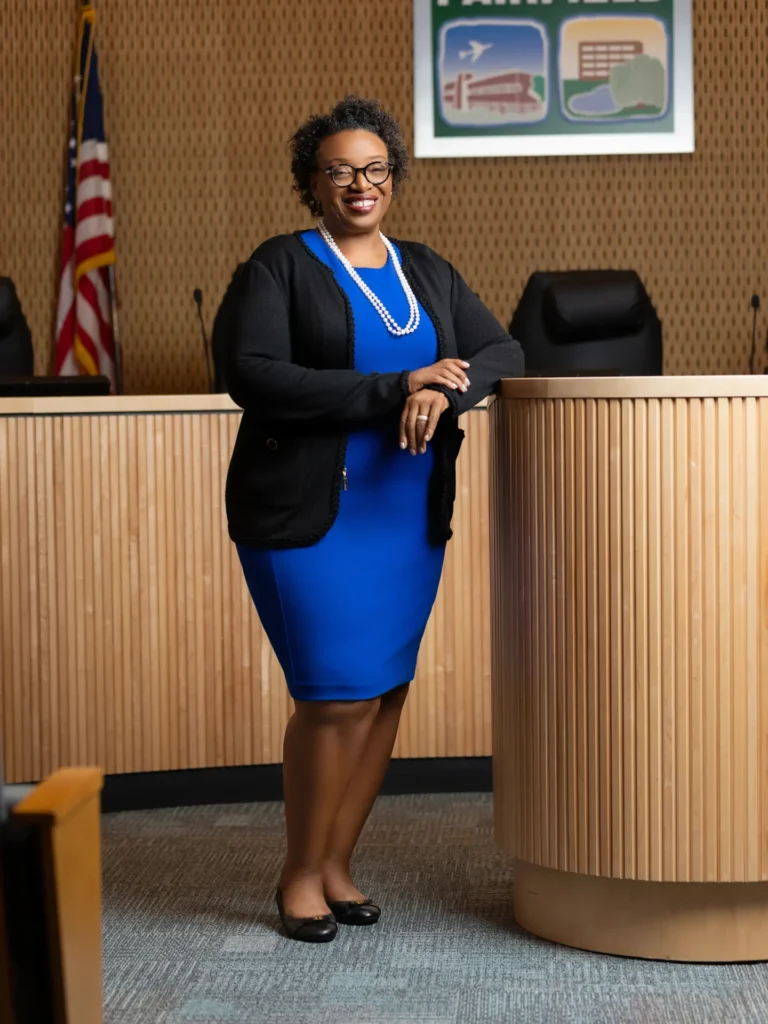
By K. Patrice Williams, J.D., member of the Fairfield City Council. Attorney, business owner, and a woman who read every page of a 1,000-page packet before every meeting.
When disagreement
crosses a line.
Criticism is part of the job. Online attacks, doxxing, and intimidation of the people around me should never be.
 01
At events.
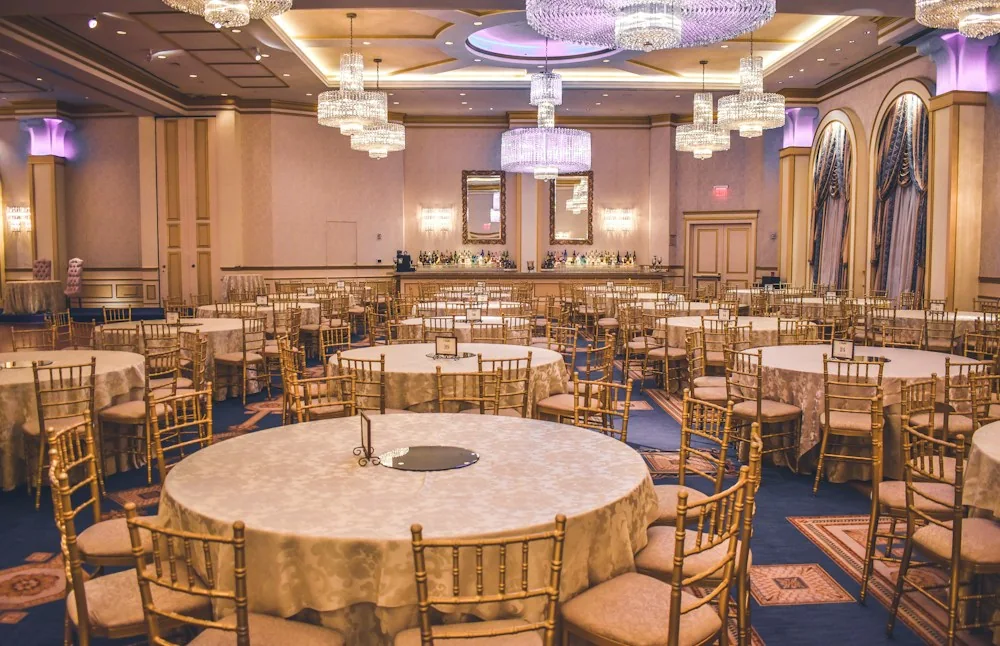
A private gate. A targeted host. A sign cut to pieces.
THE INTIMIDATION 02
At home.
A photo of my car outside my home, posted online.
THE LOSS OF PRIVACY 03
In the chamber.
The staring. The noise. Being followed outside.
THE ESCALATION 04
What it changed.
Fewer appearances. Fewer voices in the room.
THE COST OF SERVINGI describe the conduct here. Names and full records are with the authorities. Read about the gap in workplace protections.
03 / When it began
It didn’t happen
all at once.
It began with a housing vote. Then the pattern became clear.
The Vista Ridge vote
I voted for permanent housing with wraparound services and security. The public debate became personal.
A question of residency
I asked the council to examine whether the then-mayor lived within city limits. Months of online attacks on my character followed.
Public comment turns personal
The behavior moved beyond comment: staring, noise-making, and following people outside the chamber.
From screens to the street
Altered images circulated online. Then came a photo of my car and home, notes at private gates, and a shredded event sign.
Election season, 2026
The attacks increased as my re-election campaign picked up. I ran my race while documenting every incident.
Understanding it is
the first step.
Open debate strengthens a community. Intimidation silences it. Knowing the difference matters.

01 / PRIVACY BECOMES A TARGET
What is doxxing?
Publishing someone’s private information — a home address, vehicle, or family details — to expose or intimidate them.
What it looks like02 / DISAGREEMENT BECOMES A PATTERN
What is political harassment?
A pattern designed to make someone stop serving, stop speaking, or stop running. The impact reaches beyond one person.
Tactics and warning signsOne image is easy to dismiss.
A wall shows the pattern.
Every image below was made to demean me or others who spoke up. I believe one person made them, posting under several online names. I am not naming that person here. The full record, with names, dates and sources, is with the police and the District Attorney.
Some images contain racist and violent imagery. They are blurred until you choose to view them.
20 images shown so far
Names, logos and the faces of other people have been removed from these images.
 IN HER OWN WORDSTHE CONVERSATION CONTINUES
06 / Watch & listen
Behind every record
is a real person.
My Political Harassment playlist on YouTube. Watch it here or open it on YouTube.
When officials step back,
we all lose a voice.
Researchers at Princeton’s BDI survey local officials every quarter. Their Q1 2026 findings show the same pattern I lived.
43%
of officials less willing to run for higher office
64%
pulled back from social media
18% / 8%
women versus men worried about physical attacks
33% / 9%
minority versus non-minority officials worried about attacks
Source: Princeton BDI survey of local officials, Q1 2026, as presented in the BDI webinar on threats and harassment. Hostility affects officials of every party; the burden is heavier on women, minority and newer officials.
08 / If it’s happening to you
You shouldn’t have
to figure it out
on your own.
What I learned the hard way. A place to start if you’re facing the same.

This is my experience as an official, not legal advice. Speak with your own attorney about your situation.
Document digitally.
Keep a dated digital record of screenshots, links, and incidents. It is easier to hand to police, the city attorney, and the District Attorney.
File a police report.
Even if you are told an incident is minor, a report creates a record that can support later steps.
Bring the right people together.
Talk to police and the city attorney together. Separate conversations can leave gaps between criminal and civil options.
Tell people who can speak up.
Community members who came to council made a difference and helped make the pattern visible.
Describe conduct and impact.
Say plainly when you fear for your safety. Keep public posts about conduct, leave naming to the authorities, and ask an attorney before posting about anyone.
Protect your people.
Warn hosts and supporters. Decide together what is safe, and make sure they know the situation.
Get support for yourself.
A therapist or peer group that understands this work matters more than many of us expect. You do not have to carry this alone.
09 / The next chapter
Let’s keep
the conversation
going.
I am writing a book and a case study, and I am planning workshops and a peer community for officials, candidates and staff.
Tell me how you want to be involved. I will never publish your story without your permission.
Make room for your voice.
Choose the updates and invitations you want to receive.